
What Is Zoysia Grass?
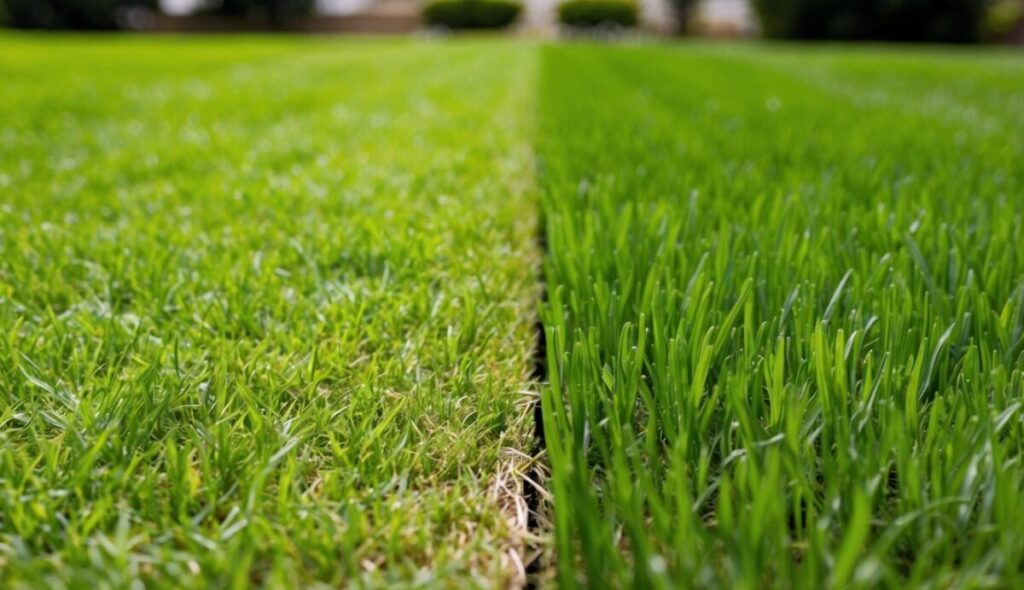
Originating in Asia, Zoysia grass is a warm-season turf that arrived in the U.S. during the early 1900s. Its popularity stems from its low-maintenance nature, improved cold tolerance, and remarkable resilience.
This perennial grass boasts dense, fine-to-medium blades that create a soft, carpet-like feel. It stands up well to drought, heavy foot traffic, and even salty conditions.
Although Zoysia starts with slow initial growth, it demands minimal upkeep once established. It spreads rapidly through rhizomes and stolons, forming a thick mat that effectively suppresses weeds.
Adaptable to various soil types, including clay, loam, and sand, modern varieties offer enhanced insect resistance and superior overall performance due to ongoing improvements by farmers.
Key Characteristics of Zoysia
Zoysia grass is remarkably resilient, requiring minimal upkeep. Its fine blades, measuring a mere 2 to 7 millimeters in width, create a lush, carpet-like appearance for your lawn.
This turf excels in arid conditions; it can enter a dormant state during droughts and swiftly recovers with rainfall. Zoysia’s distinctive growth pattern, utilizing stolons and rhizomes, allows it to spread effectively. This characteristic makes it highly tolerant of heavy foot traffic and enables it to self-repair after damage.
Common Zoysia Varieties
Zoysia grasses are renowned for their resilience and adaptability across various climates, with different varieties offering unique advantages. They particularly thrive in regions like Florida and North Texas.
- Empire Zoysia: This variety offers a somewhat coarse texture and a moderate growth rate, presenting a robust option for various landscapes.
- Palisades Zoysia: An excellent choice for areas experiencing heavy foot traffic, its medium-sized blades stand up well to frequent use, making it ideal for sports fields. This variety also demonstrates good tolerance to shade and drought conditions.
- Emerald Zoysia: For those desiring a luxurious, deep green lawn, this variety is a perfect fit. Its fine texture allows it to flourish even during scorching North Texas summers.
- Cavalier Zoysia: Distinguished by its narrow blades and strong resistance to common grass diseases, it endures long, hot summers with minimal maintenance.
- Zeon Zoysia: This soft-bladed variety excels in Texas’s high temperatures and rapidly fills in bare patches. However, it’s important to monitor for thatch accumulation.
- PristineFlora Zoysia: For those seeking a premium lawn, this variety offers a dense, fine texture and a rich dark green hue. This top-tier variety, however, does require more dedicated care than other Zoysia types.
- UltimateFlora Zoysia: In contrast to other varieties, this type features a coarser texture and spreads more rapidly, making it particularly well-suited for Florida lawns.
- Zoysia japonica: Unique as the only Zoysia variety available as seeds. Despite this, its overall performance tends to be surpassed by other Zoysia types propagated through different methods.
What Is St. Augustine Grass?
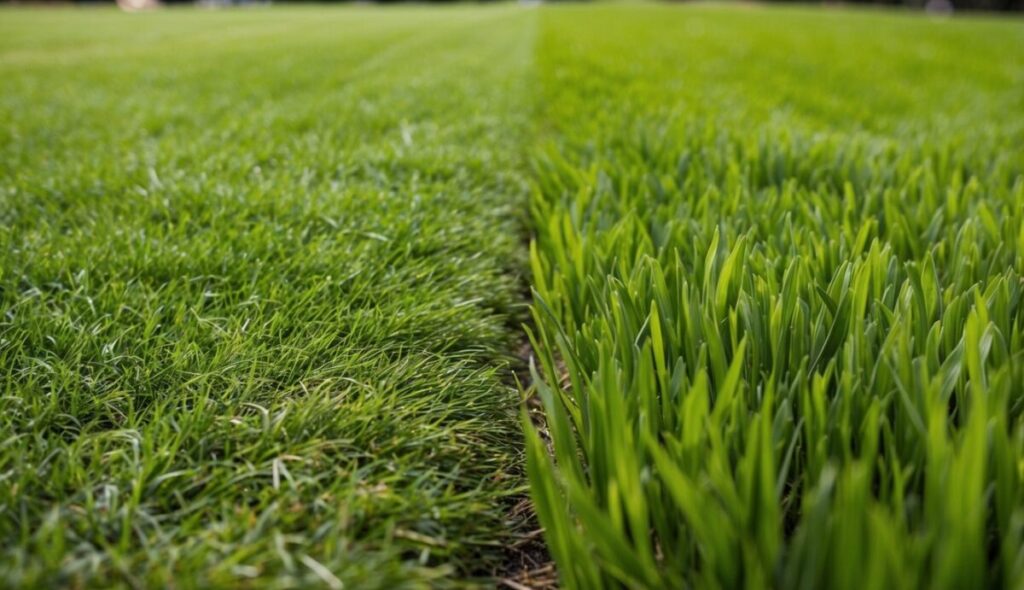
St. Augustine grass, with its wide, flat blades and vibrant green hue, flourishes in warm climates. This creates a lush, carpet-like lawn that feels soft and spongy underfoot. It’s a fast grower, particularly suited to humid, warm regions; you’ll often spot it gracing lawns in Florida and North Texas.
Its rapid spread, thanks to prolific stolons, quickly covers ground. This grass also tolerates shade exceptionally well and boasts resistance to salt, making it an excellent choice for coastal properties.
Key Characteristics of St. Augustine
St. Augustine grass, with its vibrant green hue, is an attractive choice for warm, humid climates. Its broad, flat blades, typically 8–9 mm wide, form a dense, spongy turf that feels soft and carpet-like when healthy.
This grass offers good shade tolerance, making it suitable for less sunny spots, and it also withstands salt. However, it does require more water than Zoysia, especially during dry spells. Its rapid growth, fueled by aggressive stolons, quickly covers ground, necessitating frequent mowing to maintain its appearance.
Despite its plush density, St. Augustine handles foot traffic poorly and is prone to thatch buildup. Furthermore, it’s susceptible to pests, with chinch bugs being a particularly common issue.
Common St. Augustine Issues
St. Augustine grass, despite its attractive appearance, presents several challenges. It’s often plagued by pests and diseases; for instance, chinch bugs inflict substantial damage, creating unsightly dead patches.
Fungal infections are also a common problem, with issues like large patch, brown patch, and grey leaf spot frequently appearing. This particular grass is also quite susceptible to environmental stressors.
- it doesn’t tolerate cold well,
- struggles during droughts,
- harsh winters can severely stress it.
Consequently, it demands more consistent care, including regular fertilization, and often necessitates specialized maintenance techniques.
Though St. Augustine grass effectively outcompetes weeds, its sensitivity to certain weed killers restricts treatment options. Furthermore, its rapid growth rate leads to significant thatch accumulation, which, if not properly managed, can harm the lawn. Therefore, diligent oversight is essential for its health.
Zoysia vs. St. Augustine Grass: Direct Comparison
Zoysia and St. Augustine grasses are both popular choices for turf, but they have distinct characteristics that influence their performance and maintenance requirements. These differences ultimately determine which type is better suited for your lawn’s unique conditions.
Blade Texture and Feel
Zoysia grass truly distinguishes itself from other grasses with its fine to medium blades, which typically range from 2 to 7 millimeters wide. This characteristic contributes to its notably dense, carpet-like feel, offering a soft sensation underfoot.
In contrast, St. Augustine grass features broader, flatter blades, measuring between 8 and 9 millimeters. This significant difference in blade width results in a coarser, more robust texture that is both thick and distinctly spongy.
Shade Tolerance
St. Augustine grass outperforms Zoysia in shaded areas, flourishing with just 4 to 6 hours of daily sunlight. This makes it an ideal choice for lawns partially covered by trees.
While Zoysia also tolerates some shade, it generally requires more direct sun for robust growth. Even shade-tolerant varieties like Palisades Zoysia need more sunlight than St. Augustine to truly thrive.
Drought Tolerance and Water Needs
Zoysia grass is a champion of drought tolerance, quickly entering a dormant state, wilting and browning within just one to two weeks of no water. This clever survival mechanism conserves water and ensures the plant’s long-term viability. Remarkably, it requires minimal hydration to spring back to life, making it a truly intelligent landscaping choice.
St. Augustine grass also exhibits good drought resistance, maintaining its green hue longer than Zoysia during dry spells. It typically needs about an inch of water weekly to remain stress-free and vibrant. While St. Augustine may retain its color longer without initial watering, Zoysia’s rapid dormancy is crucial for enduring extended droughts, ultimately offering superior long-term survival.
Traffic Tolerance and Durability
Zoysia grass is an excellent choice for busy lawns and play areas. Its dense growth allows it to withstand considerable foot traffic, and it recovers quickly from wear and tear.
In contrast, St. Augustine grass is less resilient; it tolerates minimal activity, shows wear easily, and struggles to recover. Therefore, for high-traffic zones, Zoysia is the superior option.
Growth Habit and Establishment Speed
Zoysia and St. Augustine grasses have distinct growth habits, influencing their establishment and long-term survival.
- St. Augustine exhibits vigorous growth,
- rapidly colonizing areas through its extensive stolon system,
- this quick spread allows new lawns to establish themselves with impressive speed.
In contrast, Zoysia grass initially establishes at a more leisurely pace.
- growing from seed or filling in bare patches takes a bit longer,
- its unique ability to spread via both stolons and rhizomes eventually leads to a remarkably dense turf,
- this thick, intertwined mat is excellent at suppressing weeds,
- Zoysia demands more patience during its initial phase,
- using sod can significantly accelerate establishment and even help minimize early weed problems.
Maintenance Requirements
Zoysia grass is a low-maintenance choice.
- its slow growth translates to less frequent mowing,
- it thrives with minimal nitrogen, reducing the need for constant fertilization,
- its dense growth can lead to thatch buildup, occasionally requiring mechanical removal.
In contrast, St. Augustine grass demands more dedicated care.
- it needs consistent watering,
- it grows rapidly, necessitating regular mowing,
- it requires more fertilizer than Zoysia to maintain its vigor.
Pest and Disease Resistance
Zoysia grass generally boasts good pest resistance. Some varieties, like ‘Empire,’ are specifically bred to combat chinch bugs, and newer cultivars are even more adept at fending off insects. However, Zoysia isn’t entirely impervious; it can still fall victim to hunting billbugs and is susceptible to certain fungal issues such as:
- large patch,
- dollar spot,
- rust,
- leaf spot.
In stark contrast, St. Augustine grass frequently grapples with a host of pests, with chinch bugs posing a significant threat. It’s also prone to numerous fungal diseases, including:
- large patch,
- brown patch,
- grey leaf spot.
While both grasses have their vulnerabilities, neither is completely immune to pests or diseases, often necessitating proactive management to maintain their health.
Cold Tolerance
Zoysia grass exhibits a remarkable tolerance for cold, surpassing St. Augustine. This robust grass thrives even through harsh winters, enduring single-digit temperatures for extended periods, particularly in North Texas. Its natural defense against the cold involves entering dormancy earlier in the fall and slowly greening up in the spring.
In stark contrast, St. Augustine struggles with low temperatures and often perishes during severe winters. Frequent cold snaps significantly stress this grass, making it highly susceptible to damage.
Soil Adaptability
Both Zoysia and St. Augustine grasses are quite adaptable, thriving in various soil conditions. However, each type has distinct needs and tolerances.
Zoysia, a highly versatile grass, flourishes in a variety of soil types:
- clay,
- loam,
- sand.
It prefers consistently moist, well-draining soil with a pH between 5.8 and 7.0.
St. Augustine grass, on the other hand, favors sandy or loamy soils. While it can withstand heavy clay, proper drainage is crucial to prevent fungal issues.
Salt Tolerance
While both Zoysia and St. Augustine grasses exhibit good salt tolerance, Zoysia generally outperforms St. Augustine in saline conditions.
This makes Zoysia an excellent option for coastal regions, where it flourishes despite frequent salt spray. Furthermore, Zoysia handles salty irrigation water more effectively, showcasing greater resilience than St. Augustine in these challenging environments.
Advantages of Zoysia Grass
Zoysia grass stands out as a superb option for a stunning, low-maintenance lawn. It significantly reduces the need for constant upkeep, freeing up your time and resources. Once established, this resilient turf demands less frequent mowing and requires less water, a welcome relief for any homeowner.
Beyond its easy care, Zoysia provides a beautiful aesthetic. Its dense, soft blades create a luxurious, carpet-like feel underfoot. This robust grass is exceptionally durable, effortlessly enduring dry conditions and heavy foot traffic. Furthermore, it bravely withstands cold winters, while its thick growth naturally suppresses weeds, resulting in a cleaner, healthier landscape.
Additionally, Zoysia boasts impressive resistance to common pests and diseases, certain varieties even deter chinch bugs. Its excellent salt tolerance makes it an ideal choice for coastal properties or areas using reclaimed water. Highly adaptable, Zoysia flourishes in a range of light conditions, from partial shade to full sun, and adapts well to various soil types, ensuring a consistently strong and vibrant lawn.
Disadvantages of Zoysia Grass
While Zoysia grass offers numerous benefits, homeowners should also be aware of its potential downsides:
- Slow growth rate: achieving full lawn coverage can take several months, or even over a year, making it unsuitable for those seeking rapid results after seeding a large area,
- Higher initial installation cost: particularly when using sod, can be more expensive compared to other grass types,
- Requires significant sunlight: Zoysia thrives in bright conditions and will not perform well in heavily shaded environments,
- Thatch buildup: its dense growth, effective at suppressing weeds, also leads to a substantial buildup of thatch, regular dethatching is therefore essential to maintain the health and vigor of your lawn.
Advantages of St. Augustine Grass
St. Augustine grass, while presenting its own challenges, offers significant advantages that homeowners appreciate. It flourishes in warm, humid climates, exhibiting rapid growth. Its vigorous stolon system enables quick establishment of new lawns and efficiently fills in bare patches.
A major benefit is its impressive shade tolerance, making it ideal for yards with abundant trees. This grass requires minimal sunlight, thriving on just 4 to 6 hours daily.
Visually, St. Augustine is striking, with broad, flat blades that form a lush, green carpet, significantly enhancing curb appeal. Furthermore, it boasts excellent drought resistance, maintaining its verdant appearance longer than Zoysia during dry spells, and effectively handles salt, making it a superb choice for coastal regions. Its dense growth naturally suppresses weeds, contributing to a healthier lawn overall.
Disadvantages of St. Augustine Grass
St. Augustine grass, while popular, comes with several drawbacks homeowners should carefully consider. This turf demands significant upkeep; it needs frequent watering, mowing, and fertilization—far more than Zoysia grass, for instance.
Its delicate nature means it struggles with heavy foot traffic, showing damage easily and recovering slowly. Furthermore, it’s a magnet for various pests and diseases. Chinch bugs are a common nuisance, and fungal issues like large patch, brown patch, and grey leaf spot frequently plague this grass.
Cold weather is another adversary, as extreme temperatures and harsh winters can inflict considerable damage. Its rapid growth also leads to a quick buildup of thatch, necessitating regular maintenance to keep it healthy.
Homeowners also face limited options for weed control since many common herbicides can harm St. Augustine grass. Additionally, its wide, spongy blades are often considered less desirable than the finer texture of Zoysia. Finally, while it can tolerate brief dry spells, extended droughts pose a significant challenge, undermining its health and appearance.