
What Determines If Grass Spreads On Its Own?
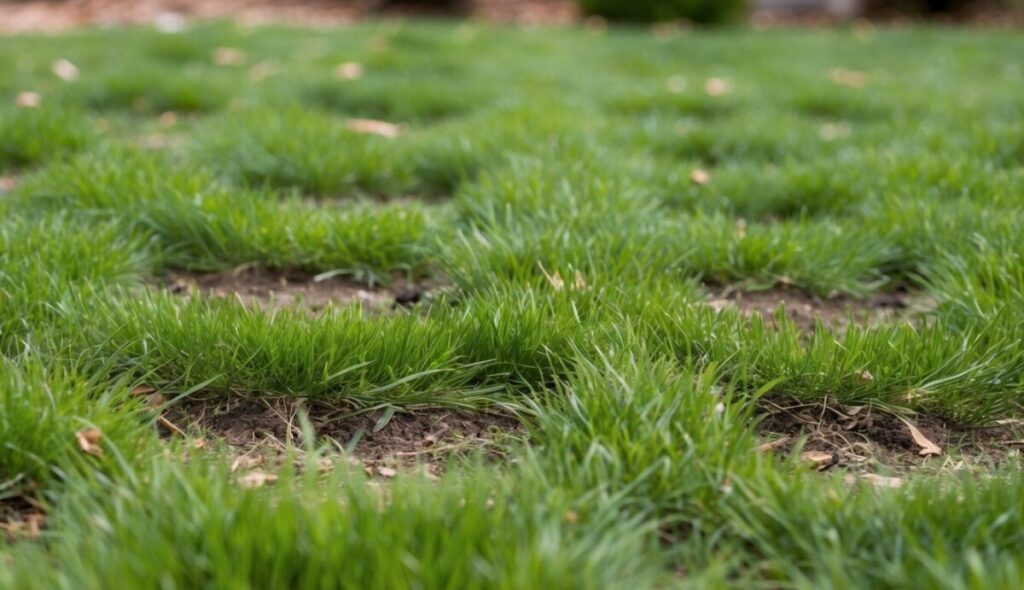
How does grass spread? It comes down to habit – some types spread (rhizomatous or stoloniferous), others form clumps. What surrounds the grass matters too. Soil health, environmental conditions, even simple things like mowing height and fertilizer – these all play a big part.
Some grasses push out sideways, filling in bare patches on their own. Others shoot straight up, so you have to step in to keep them dense.
Knowing how your grass grows on its own makes all the difference for good lawn care and smart repair plans.
Spreading Characteristics of Rhizomatous and Stoloniferous Grasses
Rhizome grasses, like Kentucky bluegrass, spread through underground roots called rhizomes. This growth is quick; some types can even become invasive.
Stolon grasses – think St. Augustine or Zoysia – send out above-ground runners, or stolons. These creep along the soil surface, forming new plants as they go.
Bermudagrass uses both rhizomes and stolons to spread aggressively. This helps these grasses fill bare patches and thicken up the lawn.
Clump-Forming Habits of Bunch Grasses
Bunch grasses grow straight up from a central spot, forming cushion-like clumps.
Tall fescue and perennial ryegrass are good examples; they do not spread sideways with runners. Instead, they stay dense by tillering – new shoots pop up from the base of older plants. For a thick, full look, these grasses need regular overseeding, especially where the lawn is thin.
How Do Grasses Reproduce and Expand?
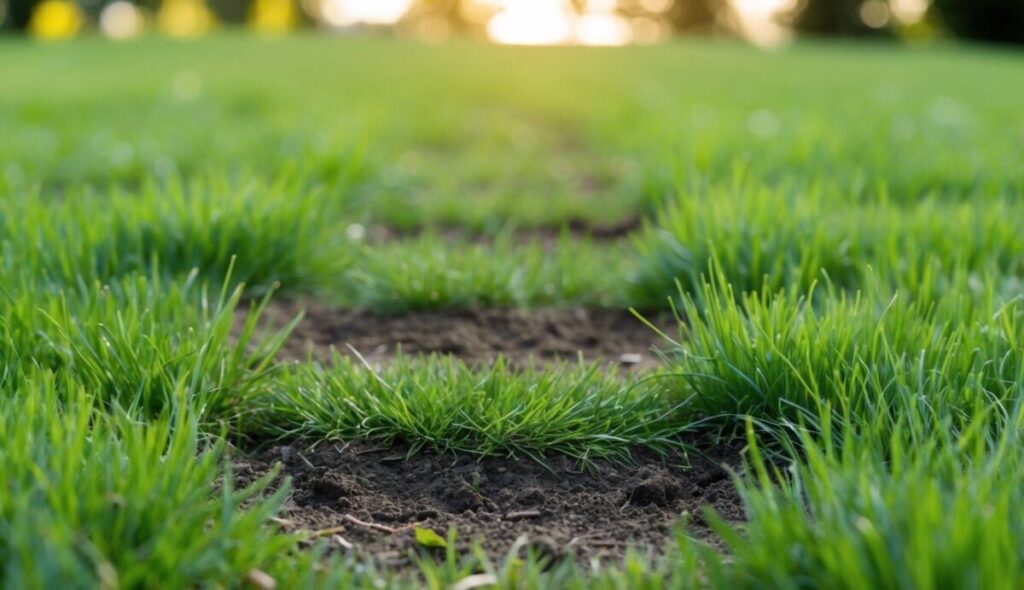
Grasses spread and grow through two main ways: sexually, using seeds, and asexually, with runners like rhizomes and stolons. Some grasses can reseed themselves if they get to flower and drop seeds. But most lawn grasses, cut often, spread through asexual growth or tillering. Knowing this helps you keep your lawn looking good and fix bare spots.
Asexual Propagation via Rhizomes and Stolons
Many grasses use asexual reproduction to spread. Rhizomes are underground stems that grow new shoots and roots. This helps grasses like Kentucky bluegrass and creeping red fescue spread below the ground. The method lets lawns spread sideways and repair themselves.
Tillering: Increasing Density in Bunch Grasses
Tillering is how bunch grasses, like tall fescue, thicken up. New shoots – we call them tillers – pop out from the base of older plants. Each new tiller grows its own leaves, making the lawn look fuller. This process is key for a thick fescue lawn; these grasses do not spread sideways. Fertilizing and good soil care helps tillers grow strong, boosting grass growth overall.
Seed Production and Self-Seeding Potential
Tall grass flowers and makes seeds. But this leaves a thinner, less healthy lawn and more weeds. Some hybrid grass seeds are sterile, so they can’t reseed naturally.
Identifying Spreading vs. Non-Spreading Grass Types
Identifying spreading versus non-spreading grass types is key to managing and repairing your lawn. Non-spreading grasses, also called clump-forming, grow in bunches. They get dense through tillering – new shoots popping up at the base. This basic difference shapes how a lawn naturally fills bare spots. It also guides the maintenance you will need to keep your turf healthy.
Common Spreading Grasses: Kentucky Bluegrass, Bermudagrass, Zoysia, St. Augustine
Kentucky Bluegrass, a cool-season variety, fixes itself. It spreads with underground rhizomes. Zoysia and St. Augustine grasses – both warm-season types – use stolons. This creates thick, self-sustaining lawns. Their spreading nature helps them fill bare spots and build dense turf.
Common Clump-Forming Grasses: Tall Fescue, Perennial Ryegrass, Fine Fescues
Tall fescue, perennial ryegrass, and fine fescues are common clump-forming grasses. They grow in upright bunches. Fine fescues – like creeping red fescue – can spread a little with short rhizomes, but if you have bare spots, you’ll need to overseed to fix them.
Choosing the Right Grass for Self-Repair
Picking the right grass is key for a self-repairing lawn. Spreading varieties – like Kentucky Bluegrass or Bermudagrass – work best. Their rhizomatous or stoloniferous growth lets them repair naturally. Think about your climate (warm versus cool season) for optimal health. Also factor in how much shade the grass can take and its resistance to disease.
Strategies to Encourage Lawn Density and Repair Bare Spots
Want a thicker lawn and fewer bare patches? You’ll need a few strategies. If your grass spreads naturally, keeping it at the right height and giving it good soil nutrients will help it fill in. For clumping grasses, though, regular overseeding is key.
Aerating your lawn eases compacted soil, making roots healthier. It also perfectly sets up the ground for new seeds to sprout. Don’t forget proper watering, fertilizing, and keeping pests and weeds under control – these are all crucial for a healthy lawn and stop new bald spots from forming. You can even compost grass clippings – it really helps the soil.